
Arnt identifies the company’s evolution through four distinct inflection points. The first was the decision to stop solving isolated problems in Brazil and instead build a scalable infrastructure for dozens of emerging markets. This led to a counterintuitive realization: despite the unique regulatory hurdles and convoluted tax codes of each nation, the underlying challenges—legacy technology stacks and analog-first habits—were remarkably consistent. By applying this playbook across Latin America, Africa, and Asia, dLocal positioned itself as a champion of the Global South.
How dLocal scaled by mastering emerging market payments
When global merchants first entered Brazil, they hit a wall: the Boleto Bancario. While competitors ignored the cash-based, teller-driven invoice system, dLocal CEO Pedro Arnt saw an opportunity. By specializing in these fragmented local payment methods, the firm transformed from a regional niche player into a NASDAQ-listed global powerhouse.
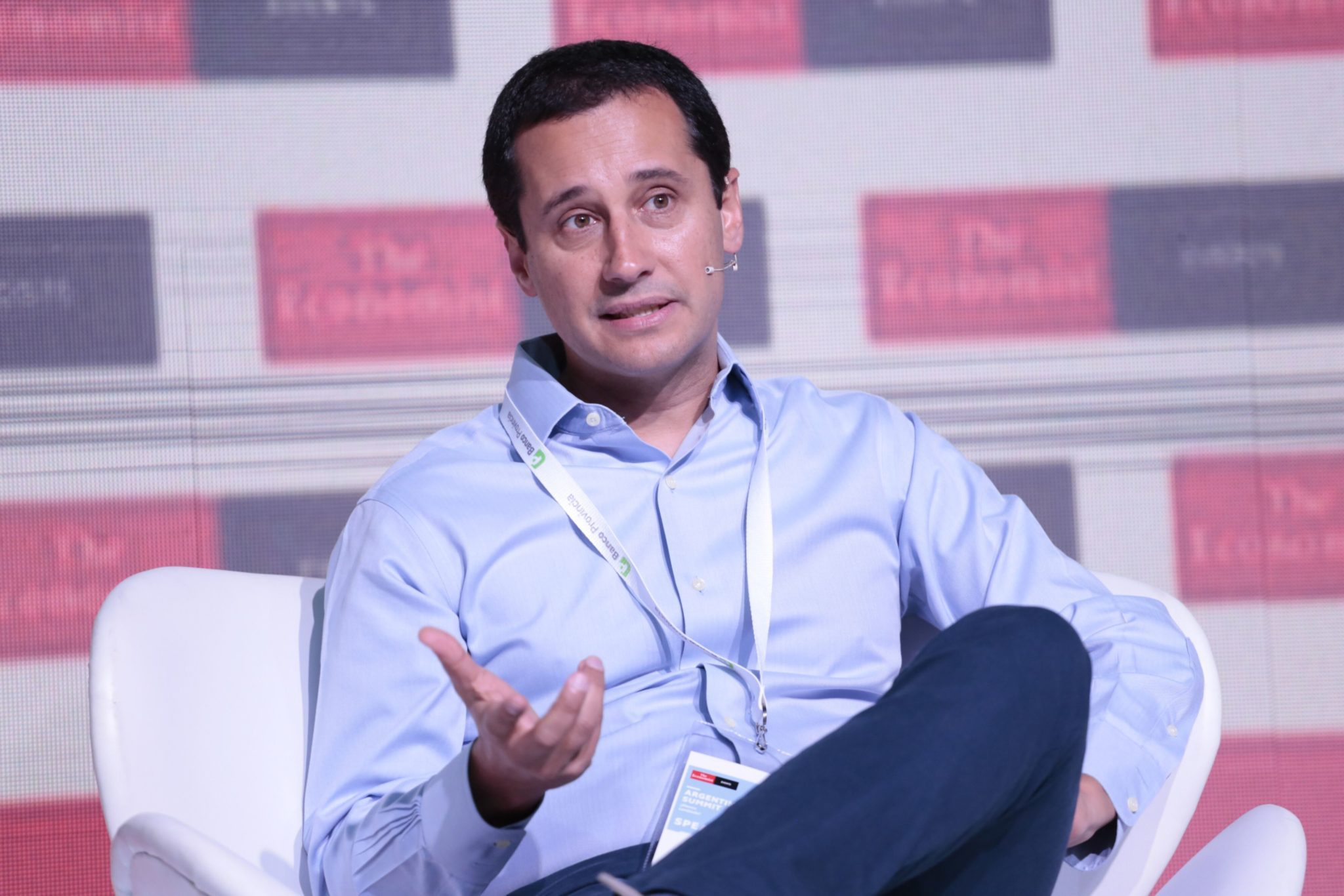
As the company matured, it leveraged its aggregate volume to negotiate for Fortune 500 clients, effectively becoming a central clearinghouse for complex financial environments. This transition allowed dLocal to move beyond simple payment processing into what Arnt calls "Markets of the Future." He rejects the notion that developing economies are digitally backward, pointing to innovations like India’s UPI and Brazil’s Pix as proof that the most sophisticated financial infrastructure is now emerging from the developing world. For Arnt, the mission remains grounded in tangible impact: connecting a student in Nigeria to global tools or enabling a small business owner in Quito to manage subscriptions, proving that even in an age of blockchain and agentic commerce, local nuance is the ultimate competitive advantage.



Comments (0)
No comments yet. Be the first!